
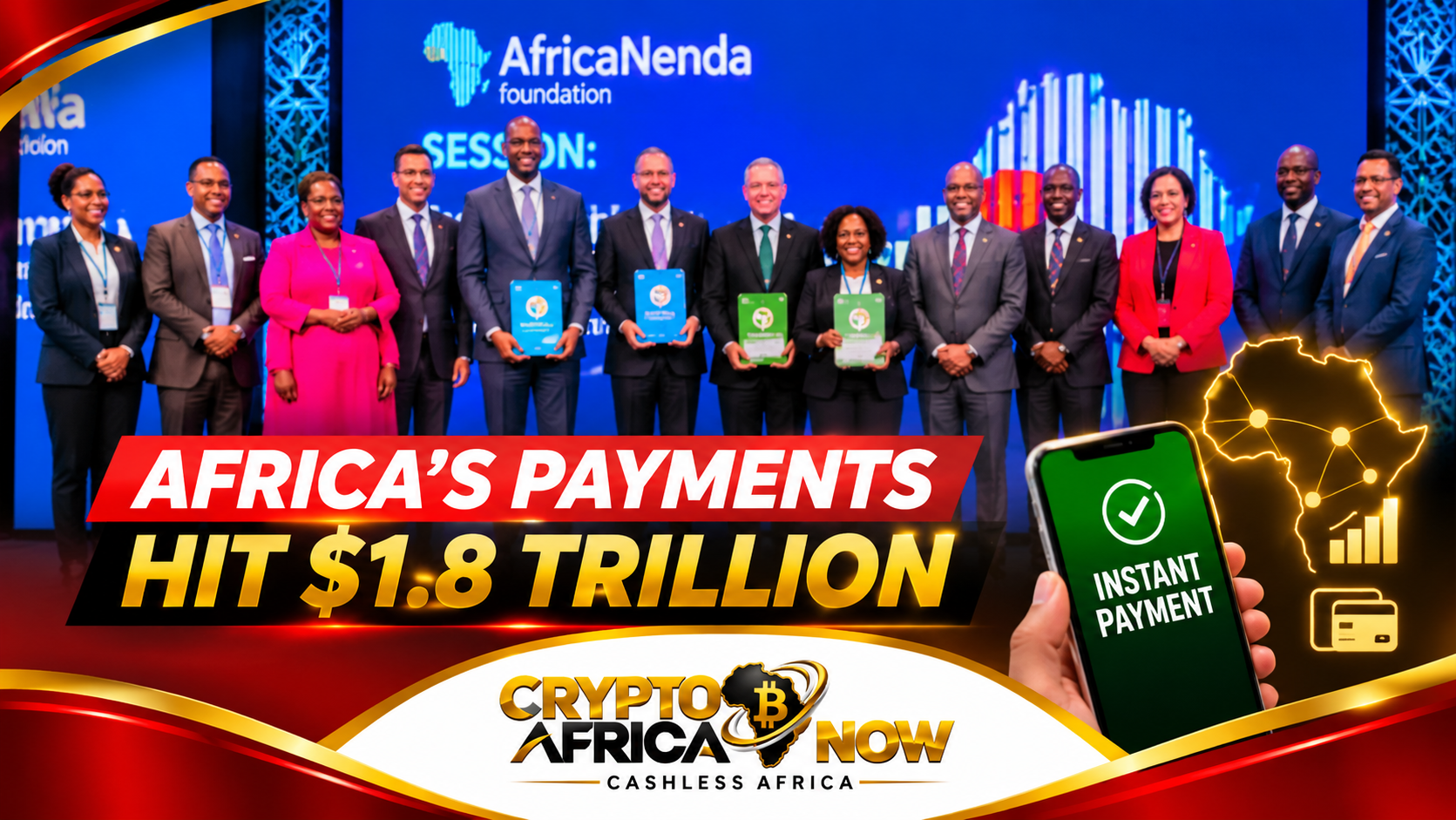
Instant payments are transforming Africa’s financial landscape, with 71.4 billion transactions worth $1.8 trillion recorded in 2025, according to AfricaNenda’s State of Inclusive Instant Payment Systems in Africa (SIIPS) 2026 report.
The report, published by AfricaNenda Foundation in partnership with the World Bank Group and the United Nations Economic Commission for Africa, highlights the continent’s progress towards a more connected digital economy.
However, despite the expansion of mobile money and digital banking services, cash remains an important part of everyday transactions.
Africa’s Digital Payment Infrastructure Expands
Africa now has 39 operational instant payment systems, providing domestic or regional payment capabilities across 43 countries.
Mobile money accounts for 73% of transaction volumes, demonstrating its importance in the continent’s financial ecosystem.
The expansion presents significant opportunities for fintech companies, commercial banks, payment technology providers and digital financial service operators.
For small businesses, faster payments could improve cash flow, reduce administrative costs and provide better financial records when applying for credit.
Consumer Trust Remains a Barrier
Despite these achievements, consumer confidence remains a significant challenge.
Among 1,403 digital payment users surveyed across 15 African markets, 55% still relied on cash for approximately half of their transactions.
Payment delays, incorrect transfers and difficulties recovering lost funds remain concerns.
For digital payment providers, delivering a fast transaction is only part of the responsibility. Customers also need confidence that their money is protected and that problems will be resolved when transactions fail.
A trader receiving payments through a mobile wallet, for example, needs immediate confirmation before releasing goods to a customer.
Opportunities for African Fintech Companies
Africa’s expanding payments industry offers opportunities for businesses developing fraud prevention technology, digital identity verification, merchant payment solutions and customer support platforms.
Artificial intelligence could also play a role in detecting suspicious transactions, although emerging threats such as AI-generated impersonation and financial scams require stronger safeguards.
The next phase of Africa’s financial transformation will depend not only on expanding payment infrastructure but also on ensuring that digital financial services are affordable, accessible and reliable.
Can Africa build enough consumer confidence to significantly reduce its dependence on cash? Share your thoughts.
For crypto, Web3, blockchain and fintech events, contact sales@cryptoafricanow.com.

Mbah Clarise is a finance analyst and crypto enthusiast residing in Cameroon, also serving as a news writer for CAN News